Staircase lighting: comfort and safety every day
Installing a suitable light fixture secures your night-time movements by preventing falls. It is the perfect alliance of prudence and elegance.
Now that the issue is laid out, let’s see how to select the appropriate equipment for your actual configuration.
Adapt the format to the structure of your steps
Analyse the space of your staircase well. Avoid obstructing the passage with bulky objects. Measure the available width precisely. A light fixture that is too wide hinders your daily climb.
Locate your current fixing points. Check if the electricity supply comes from the ceiling or your walls. This directly determines the type of light fixture that can be installed.
Check the solidity of the chosen support. A plasterboard wall does not support the same weight as a solid wall.
Anticipate the routing of electrical cables. A clean installation often requires slight chases or discreet trunking.
Define the light power for safe passage
Calculate the total number of lumens needed. Each step nosing must be clearly visible. Eliminate dangerous shadow zones for your safety.
Choose a homogeneous light diffusion. Violent contrasts tire the eye and deceive your perception of depth. Prefer opaque diffusers. The flow must remain constant.
Opt for a natural colour temperature. Neutral white allows better distinction of actual volumes.
Think about efficient LED technology. It uses little energy. You can leave the light on without worry.
Select materials in keeping with your decor
Harmonise the metal or glass. If your balustrade is stainless steel, stick to similar finishes. This visual coherence reinforces your interior design.
Opt for finishes that are easy to clean. Dust accumulates quickly in these passage areas. Brass or brushed steel are perfect.
Take impact resistance into account. A bag might hit a low wall light. Choose robust and durable materials for your peace of mind.
Incorporate the style from the lightingconcept.co.uk shop. Our models often combine modernity with solidity.
Optimise space with wall lights
For those lacking depth or ceiling height, the wall light becomes a strategic ally.
Install recessed spotlights for discreet guidance
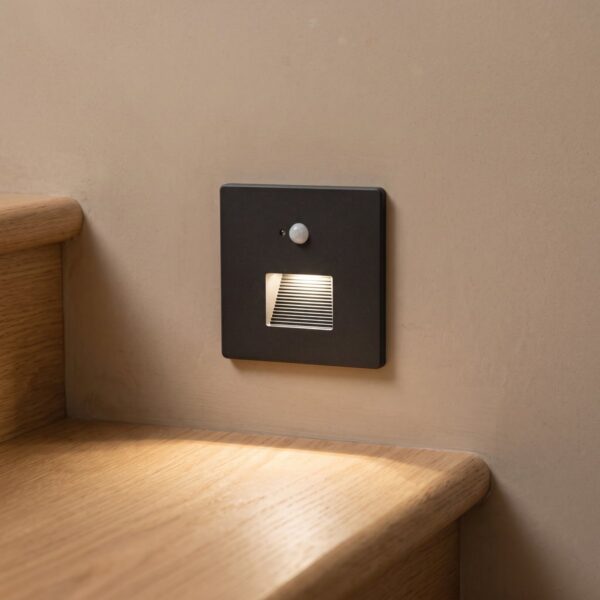
Place the light sources at low height. The aim is to guide the foot without dazzling the eye. Install them approximately every two or three steps. It is the most understated solution for your staircase.
Use models with a directed beam. The light should strike the floor directly. This creates a very reassuring luminous path at night. You thus avoid any dangerous shadow zone.
Choose ultra-flat spotlights for recessing. They integrate perfectly into dry partitions. The result is clean and completely invisible during the day. The aesthetics of your wall thus remain intact.
Think about automation with a sensor. The light turns on as soon as you approach. It is practical when your hands are full. Safety here combines with modern comfort.
Check the available recess depth. Some load-bearing walls do not allow much cutting. Adapt your technical choice accordingly. A height of 170 cm is sometimes suggested for the atmosphere.
Use dual-beam wall lights for volume
Exploit reflection on the walls. Light projected upwards and downwards enlarges the space. This gives an impression of additional height. It is a very effective architect’s trick for enhancing architecture.
Create a regular visual rhythm. Space your wall lights mathematically. This repetition brings a sense of order and calm. The passage then becomes a true luminous gallery.
Select shades that contrast with the wall. A black wall light on a white wall emphasises the design. It becomes a decorative item. Metal or aluminium bring a touch of modernity.
Avoid models that protrude too much. In a narrow staircase, you risk catching on them. Prefer curved forms or those very close to the wall. The fluidity of movement must remain your absolute priority.
Take advantage of free delivery on orders over £65 in the UK from lightingconcept.co.uk. The delivery time of each model is shown on its product page. We select pieces combining style and LED performance.
Installation is quick. The result immediately changes the atmosphere. You rediscover your interior right away.
Enhance the void with a designer pendant light
If your staircase benefits from a good ceiling height, it’s an opportunity to impress with a centrepiece.
Choose a chandelier in a cascade for high stairwells
Occupying the vertical volume intelligently transforms the space. Multi-level pendant lights fill the void with elegance. They catch the eye as soon as you enter the room. This bold choice asserts a very refined style.
Select imposing models for structural turns. A large chandelier balances the complex geometry of the staircase. It brings a reassuring presence. This piece quickly becomes majestic.
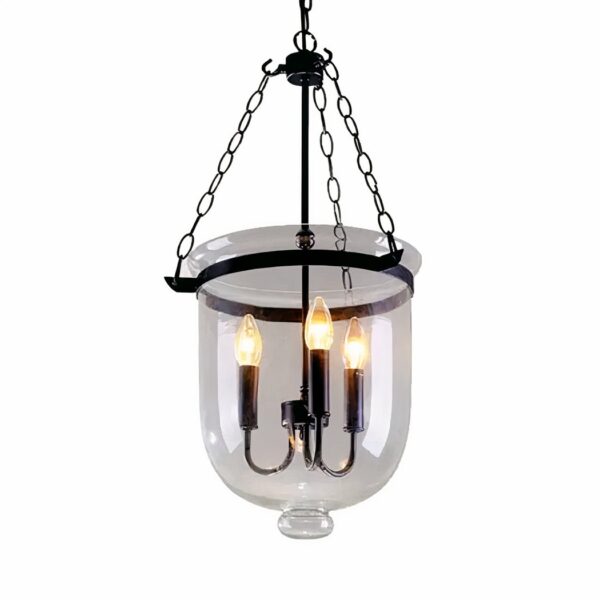
Playing with the transparency of glass brings lightness. Clear globes never weigh down the visual perspective. They let natural light circulate during the day. The space thus remains open.
Varying the heights of the bulbs energises the stairwell. This creates a permanent and captivating visual movement. The overall result is much more modern. One quickly forgets the classic ceiling light.
Matching the style to the surrounding furniture is essential. A wooden staircase often calls for touches of matte black. Metal brings that industrial chic side. The harmony of materials is complete.
Adjust the pendant light for visual comfort without shadows
Adjust the length of the cables with millimetric precision. You should never be dazzled when climbing the stairs. Test the height from the upper landing. Eye comfort remains our absolute priority.
Checking accessibility for future maintenance is a strategic point. Bulbs will eventually burn out one day. Make sure you can reach them with a stable step ladder. Anticipate this technical need.
Avoiding cast shadows on the steps guarantees your safety. A poorly placed pendant light can create deceptive dark areas. The light must fall fluidly. Every step must be perfectly visible.
Fixing the ceiling box securely is a crucial step. The weight of a large pendant light requires a suitable wall plug. Never neglect this technical safety aspect. The solidity of the installation is paramount.
Choosing dimmer-compatible bulbs allows fine management. You will thus be able to dim the atmosphere in the evening. It is ideal for a soothing atmosphere.
A good adjustment changes everything. Your staircase becomes a true art gallery.
Our staircase lighting in detail
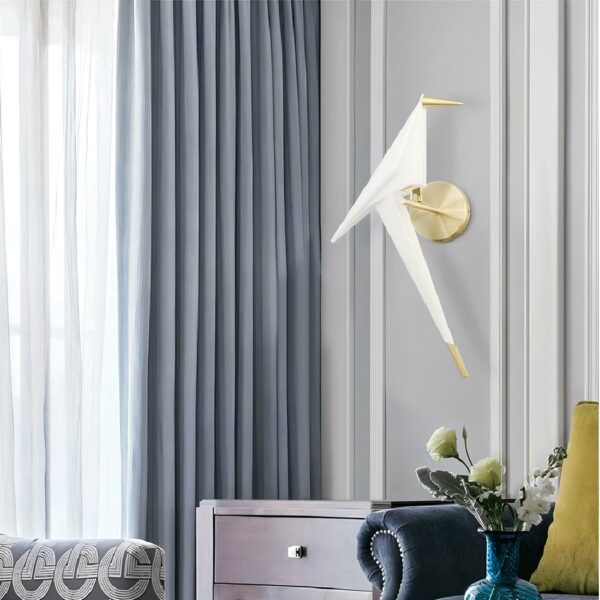
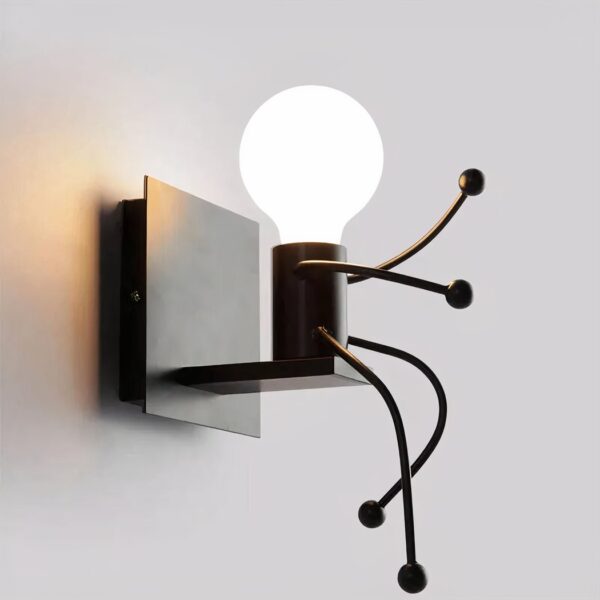
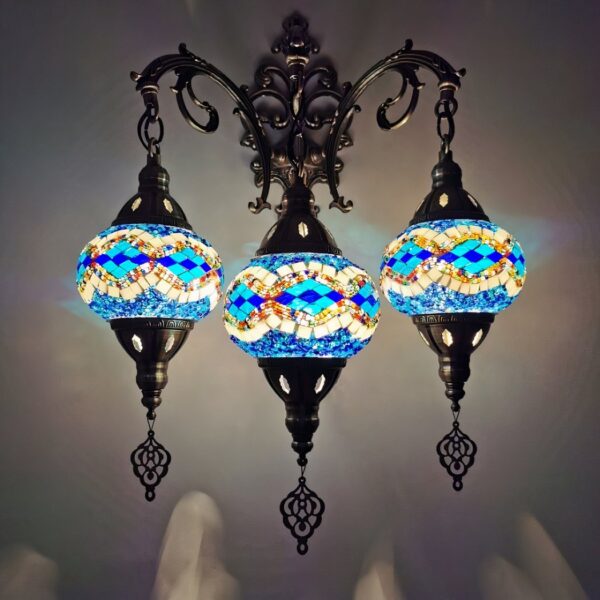
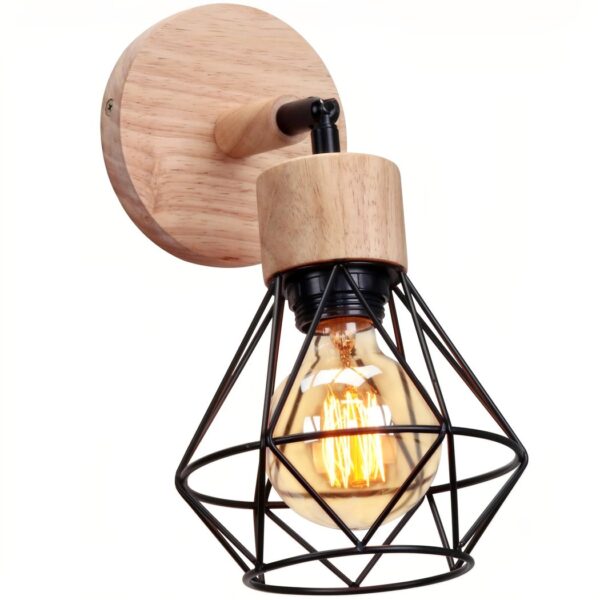
This selection brings together more than 200 models. Wall lights make up half, pendant lights nearly a third and chandeliers nearly a fifth, with a few ceiling lights; it focuses on these formats rather than recessed step lights. Metal dominates (nearly half of the models), followed by glass, aluminium and wood. White, black and gold are the main colours. Examples include the black vintage iron adjustable-angle wall light, the bird-shaped origami wall light, the 3-ball openwork metal cluster pendant light and the ball-shaped hemp rope chandelier.
Most models are modern or minimalist. E27 is the most common bulb fitting, and about one in six models has integrated LED, ideal for LED stair lighting left on in the evening. About eight in ten ship from our warehouse in China, most others from our warehouse in Poland, in about 8 working days on average. Which light for which part of the stairs? Wall lights along the steps, a cascade pendant light or chandelier in a high stairwell, and a ceiling light on the landing.
See also: staircase ceiling lights and staircase pendant lights.
Frequently asked questions about staircase lighting
How high should staircase wall lights be?
A common guideline is to fix them at around eye level above the steps, following the slope of the stairs at regular intervals. In a narrow staircase, choose a flat model that does not stick out.
What is the best indoor staircase lighting?
Combine a main source, such as a pendant light or a ceiling light above the stairwell, with wall lights or low step lights that light each step without glare. A neutral to warm white helps you see the edges of the steps clearly.
Can I add a motion sensor to staircase lighting?
Yes, a qualified electrician can connect your stair lights to a motion sensor or a timer switch so that they turn on as you approach. LED light sources suit this use because they light up instantly.



 £191.69 instead ofAdd to cart - £212.99 This product has multiple variants. The options may be chosen on the product page

 from £228.59 instead ofAdd to cart - £344.99 This product has multiple variants. The options may be chosen on the product page




 £185.39 instead ofAdd to cart - £205.99 This product has multiple variants. The options may be chosen on the product page

 £280.79 instead ofAdd to cart - £311.99 This product has multiple variants. The options may be chosen on the product page
 £89.09 instead ofAdd to cart - £98.99 This product has multiple variants. The options may be chosen on the product page


 from £264.59 instead ofAdd to cart - £405.99 This product has multiple variants. The options may be chosen on the product page