
Showing all 9 resultsSorted by popularity
-

-
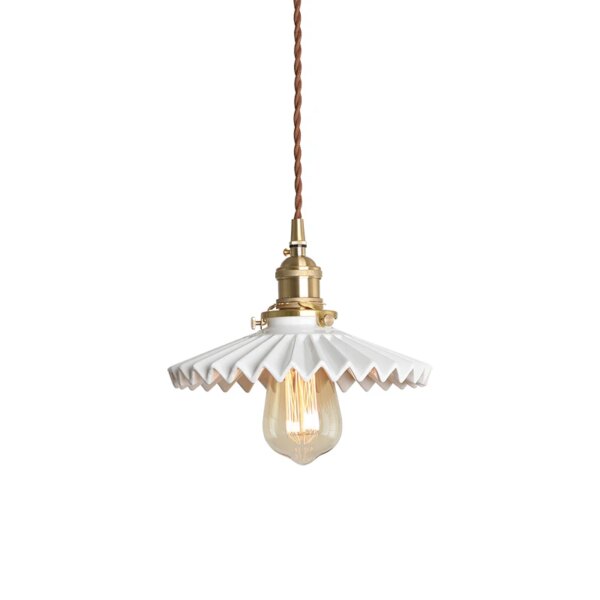 £104.99 Add to cart - £104.99 This product has multiple variants. The options may be chosen on the product page
-
 £271.99 Add to cart - £271.99 This product has multiple variants. The options may be chosen on the product page
-

✨ Featured
Light up your space
Timeless lighting for every room
Discover designer lighting to bring warmth, style and atmosphere to your home.
-
 Price range: £148.99 through £177.99 Add to cart - £177.99 This product has multiple variants. The options may be chosen on the product page
-
Price range: £235.99 through £362.99Add to cart - £362.99 This product has multiple variants. The options may be chosen on the product pageOut of stock

Inspiration
Lighting for every mood
Create warm, welcoming spaces
with timeless lighting designed for every interior.


Why choose an origami hanging light?
The appeal of origami hanging lights lies in their ability to transform a space. Not only do these fixtures serve as a source of light, they also act as works of art, captivating the eye and enriching the ambience. The precise folding and geometric shapes of origami pendants create a unique play of light and shadow, bringing dynamism to the room. Made from simple materials such as paper, they embody a minimalist aesthetic that blends easily with different styles of decor. What’s more, these pendant lights come in paper, fabric, ceramic, wood or metal, appealing to those looking to combine interior design with a Japanese or Scandinavian feel.
The art of origami in decor
Origami, the Japanese art of paper folding, finds new expression in these hanging lamps. Each lamp is a work of art in itself, reflecting the finesse and precision of this ancient art. The intricate geometric shapes captivate the eye, while the projected shadows create a soothing atmosphere. Origami hanging lights invite calm and meditation, evoking the patience and tranquillity inherent in the practice of origami. These decorative pieces can also introduce a touch of culture and sophistication to an interior, echoing the Japanese philosophy of ‘wabi-sabi’, which finds beauty in imperfection and the ephemeral. What’s more, they adapt easily to different lighting, whether using subdued lights for a more intimate ambience or bright light sources to highlight the complexity of their folds.
The materials used
Whether paper, fabric, ceramic, wood or metal, each material brings its own texture and character to the pendant light. Paper offers a soft, diffused light to the fixture, wood adds a rustic touch, and metal lends an industrial aesthetic. The selection of a good-quality paper provides surprising durability for a material perceived as delicate, while retaining the authenticity of traditional origami. When wood is used, it can be worked to highlight its natural veins, reinforcing the warm, organic aspect of the light that filters through it. Metal, meanwhile, can be painted, brushed or left raw to play with the reflection and diffusion of light, bringing modern character and a bold focal point to contemporary spaces.
The different types of origami hanging light
The diversity of designs makes them an ideal choice for every space, whether modern or traditional. From simple, uncluttered shapes to more intricate, detailed designs, origami pendant lights can be easily adapted to suit any mood, whether for subtle lighting or a statement piece. The designers of these fixtures often exploit the modularity of origami to offer pieces in a range of sizes and shapes. What’s more, some pendant lights incorporate touches of colour or varied textures, inviting personalization that can harmonize or contrast strikingly with existing decor.
Leaf-style pendant light
Inspired by nature, the leaf pendant light combines the art of origami with plant motifs. It adds an organic touch to your space, while providing soft, soothing light. This design piece fits perfectly into interiors where natural materials such as wood, stone or linen predominate, reinforcing harmony with the natural environment. Its delicate allure and finely chiselled details capture the essence of the plant world, creating a refreshing, invigorating atmosphere. What’s more, during the day, the leaf-like pendant light acts as a sculptural element, catching the eye and arousing interest even when unlit.
Japanese pendant light
The round, tiered Japanese fabric pendant light draws its inspiration from Japanese tradition, with its delicately folded fabric tiers. It adds a touch of exoticism and sophistication, ideal for spaces looking to stand out. The different levels of fabric filter light in a way that evokes the softness and tranquillity of Japanese Zen gardens, inviting serenity into your home. With its spherical shape and soft contours, this pendant light is a celebration of harmony and balance, two fundamental principles of Japanese design. Each tier can be adorned with a variety of patterns or textures, allowing light to play with materials and offering a rich, mesmerizing visual experience with every glance.
How to choose your origami hanging light?
The choice of origami hanging light depends on several factors, including design and quality of materials. Also consider the intensity and colour temperature of the desired light, as this will affect the mood of the room where the pendant light will be installed. The size and shape of the pendant light should be chosen according to the space available and the style of decoration. This creates a visual balance and ensures that the fixture serves as both a functional light source and a central aesthetic element.
Based on design
Origami hanging lights come in a multitude of shapes and sizes. Whether you’re drawn to a pendant light with a simple, uncluttered design or an intricate work of art, you’re sure to find a fixture to suit your style. For lovers of minimalism, geometric designs with clear lines can bring a touch of modernity while maintaining an understated aesthetic. If you prefer a more expressive piece, opt for creations that mimic flora or fauna with intriguing details and artistic assembly. And for those seeking a specific mood, such as subdued lighting conducive to relaxation, there are models that diffuse light in subtle ways, playing with light and shadow to enrich the room’s atmosphere.
Depending on quality and materials
Durability is another essential criterion. Make sure the pendant light is made from quality materials, whether it’s strong paper, solid wood or sturdy metal. The quality of the materials not only determines the longevity of the pendant light, but also influences the quality of the light diffused. High-quality materials ensure greater resistance to fading and wear, preserving the light’s beauty over time. It’s also important to consider the maintenance of materials: for example, paper may require more care, while metal can often be easier to clean and maintain.
Current origami pendant light trends
The world of origami pendant lights is constantly evolving, with trends reflecting current tastes and preferences. Currently, there’s an inclination towards designs that incorporate variable and connected brightness elements, allowing users to control the intensity and colour of light according to the desired mood. Similarly, the craze for natural materials such as paper, fabric and wood is increasingly prevalent, with designers combining them with white ceramic or gold metal.
Colours in vogue
White remains a classic colour for these fixtures, but bolder hues like matt black are gaining in popularity. These colours add a contemporary touch to your space. In addition to black and white, we’re also seeing the emergence of origami hanging lights in beige and natural shades, adding a touch of freshness and delicacy to the decor. Designers play with colour contrasts or subtle gradations to create distinctive pieces that can become the focal point of a room. Furthermore, the use of metallic colours such as bronze, gold or silver introduces a luxurious, modern dimension, reflecting light in a rich, warm way.
Popular styles
Simple, uncluttered designs are highly sought-after, as are pieces that incorporate elements of wall art. The current trend favours geometric shapes and clean lines, making these pendants perfectly suited to modern interiors. Modular creations, where several smaller pendant lights are assembled to form a larger, more complex structure, are also gaining in popularity, offering extensive customization according to individual preferences. What’s more, the sculptural look of origami hanging light is gaining a growing following, transforming lighting into a genuine design element that catches the eye and stimulates conversation.
Our origami pendant lights in detail
Our origami pendant lights mix several materials in similar shares: paper, fabric, ceramic and metal, with some wood, acrylic or copper. White is by far the most common colour (close to eight in ten), with some beige, gold or black models. Scandinavian and Japanese styles lead the way, followed by minimalist, vintage and modern designs. Almost every model has a folded, origami shape, including bird designs.
Many take a standard E27 bulb and a few a GU10 bulb; each product page shows whether the bulb is included. About two thirds ship from our warehouse in China and a few from our warehouse in Poland, in about 8 working days on average; one ships from our warehouse in Spain, in about 4 working days. Examples include the geometric white ceramic pendant light, the Scandinavian natural wood pendant light with geometric shade and the white Nordic origami paper pendant light.
See also: origami ceiling lights and origami lights.
FAQ origami hanging light
What is an origami hanging light?
An origami pendant is a type of lighting fixture inspired by the Japanese art of paper folding. It serves as both a light source and a decorative element.
How to install an origami hanging lamp?
Installation varies according to model, and the product page shows what is included (shade, electric cable, bulb). Professional installation is recommended.
How to care for your origami hanging light
Maintenance depends on the material. For paper models, regular dusting is all you need. For those made of wood or metal, cleaning with a soft cloth is recommended.
Which bulb should I use in an origami pendant light?
Choose an LED bulb, which gives off much less heat than an incandescent bulb, especially with paper or fabric shades, and respect the maximum wattage shown on the product page. Many of our origami models take a standard E27 bulb.


